




Last updated: October 5th, 2026 at 13:54 UTC+02:00


Over 1.2 billion people use Galaxy phones worldwide

That is a huge achievement, any way you look at it.

Asif Iqbal Shaik

Reading time: 3 minutes

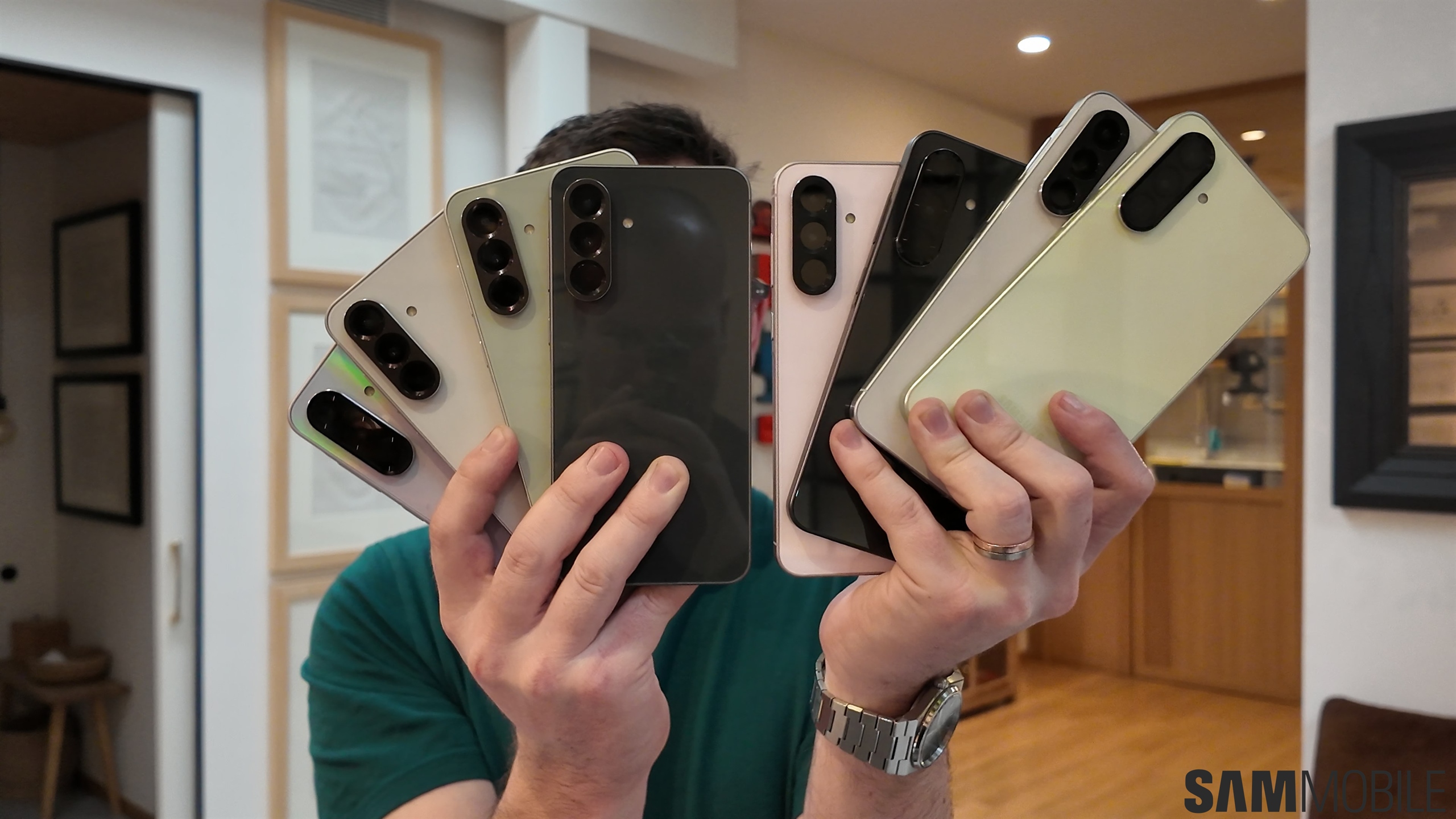
Samsung Galaxy A36 And Galaxy A56 Color Options

Abhijeet Mishra / SamMobile

Phone

Samsung Galaxy A36 and Galaxy A56

Samsung has dominated the global smartphone market for over a decade, and that reach is visible almost everywhere. You can see many people around you using Galaxy phones. Now, the company has put an official number to that scale: 1.2 billion people worldwide currently use Galaxy smartphones.

The milestone was revealed in a recent video published by Samsung Japan on YouTube. Reaching over a billion users does not happen by accident, and Samsung's success comes down to a few core strengths.

A phone for every budget

First is choice. Unlike Apple, which launches only premium phones, Samsung covers virtually every price category, from entry-level $150 Galaxy A series phones to foldables that cost as high as $2,400.

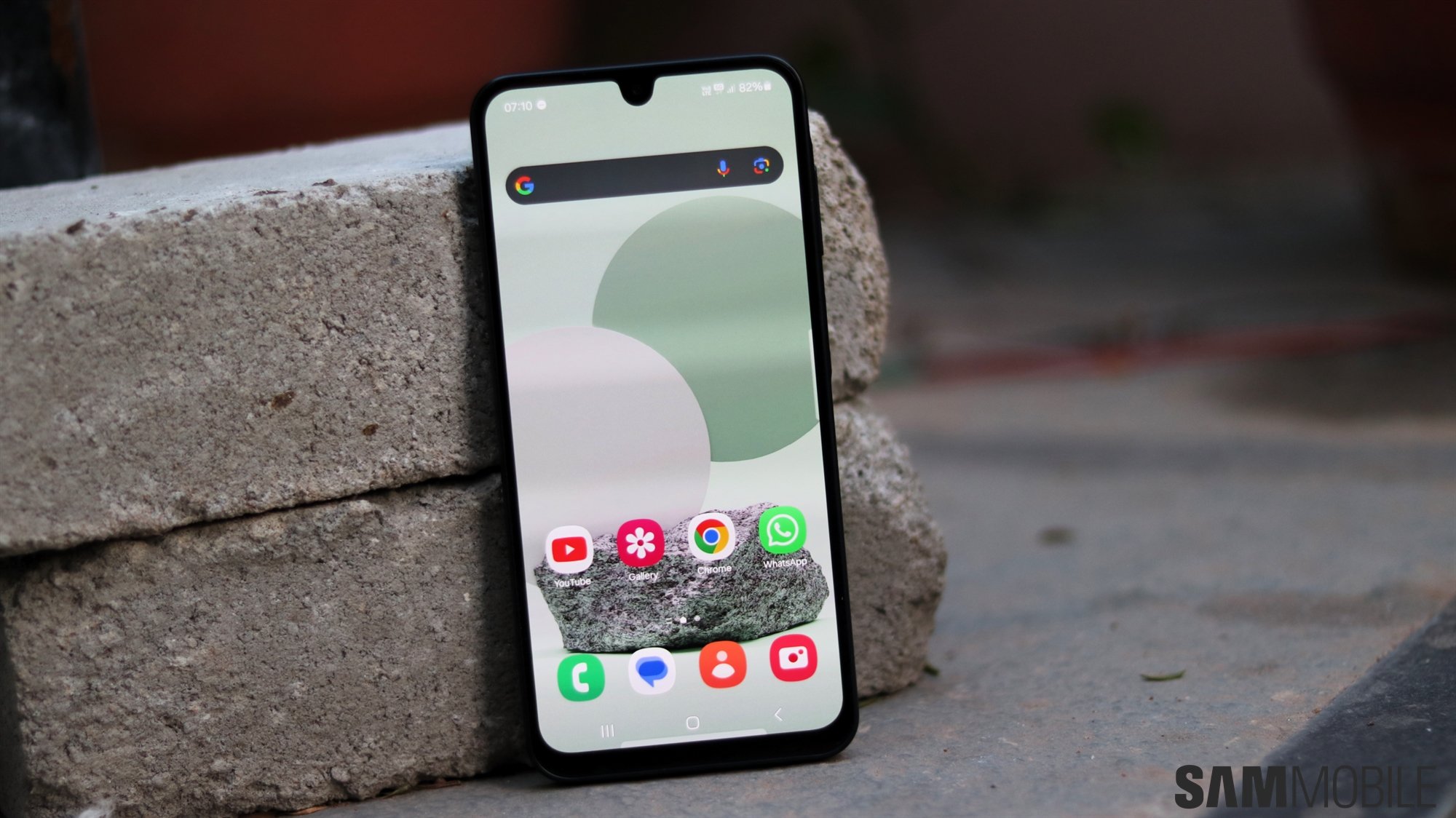
Samsung Galaxy A16 5G Display

Abhijeet Mishra / SamMobile

Galaxy A16 5G's screen

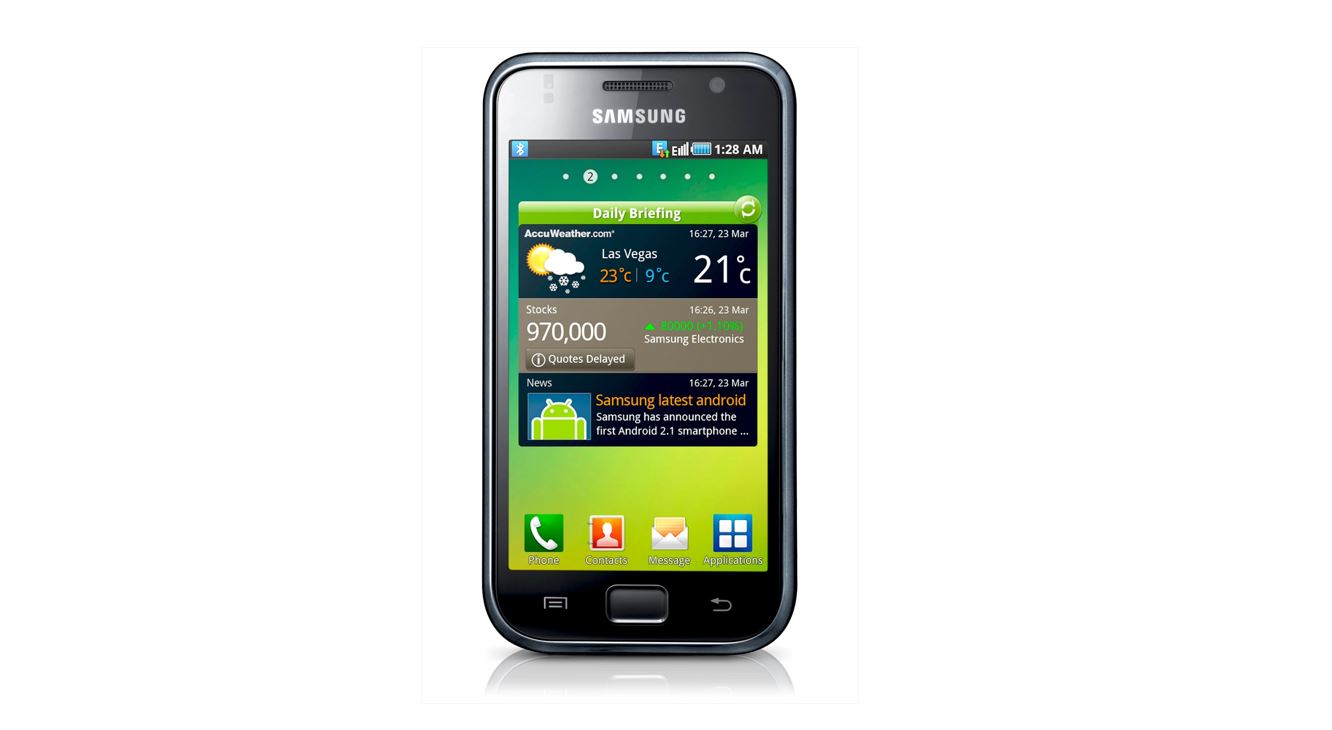
Galaxy phones are backed by years of groundbreaking innovations and category defining hardware. In June 2009, just months after Android's commercial debut, Samsung launched its first Android smartphone, the Galaxy GT-I7500.

Samsung Galaxy S i9000

Samsung

Galaxy S i9000

When Samsung launched the first Galaxy S phone in 2010, its growth exploded. The company then created the large screen entertainment and productivity segment, called Phablet, in 2011 with the Galaxy Note and its iconic S Pen.

The company then overhauled its industrial design with the Galaxy S6 series and its metal-and-glass design. It also features Samsung Pay.

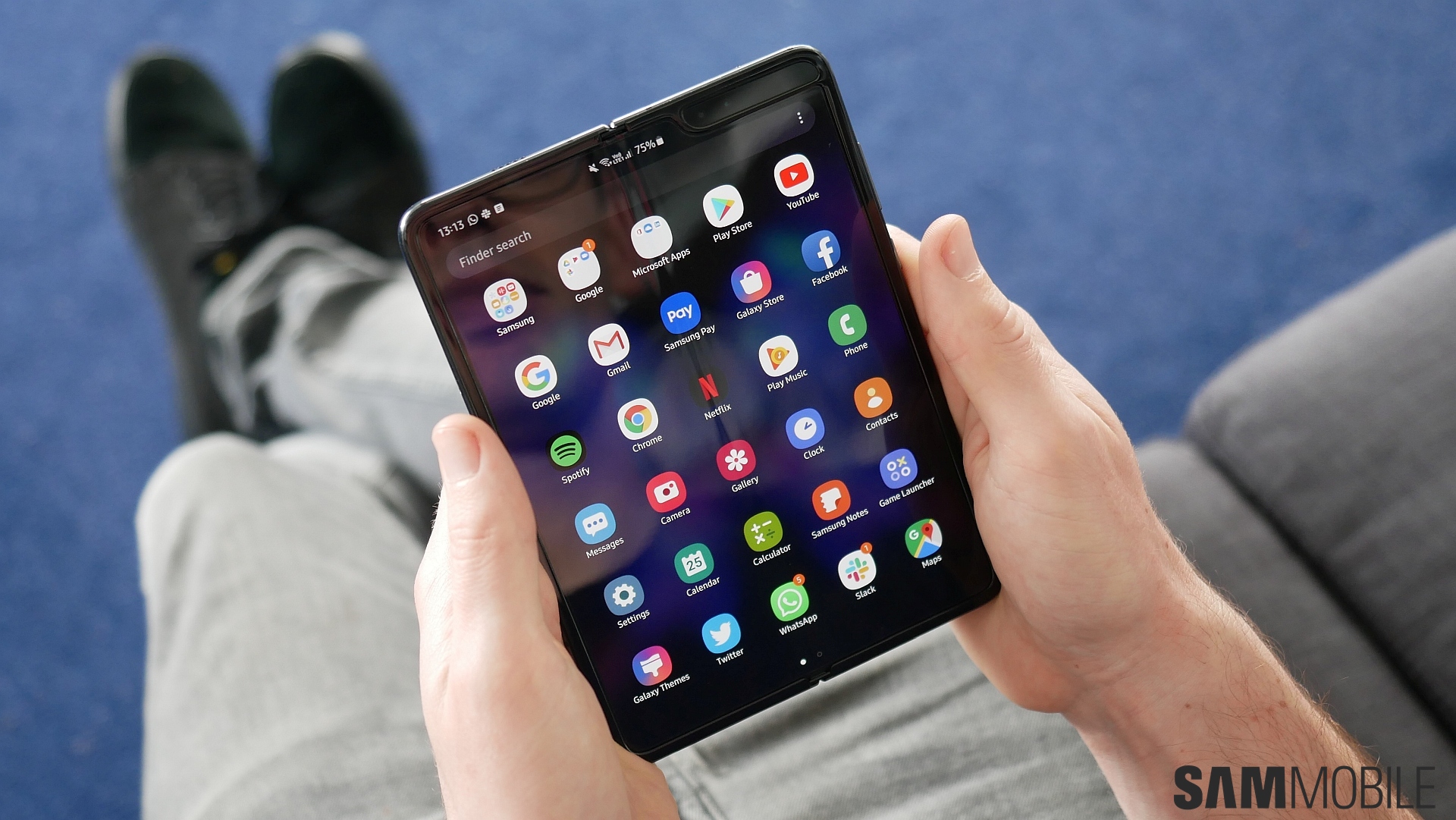
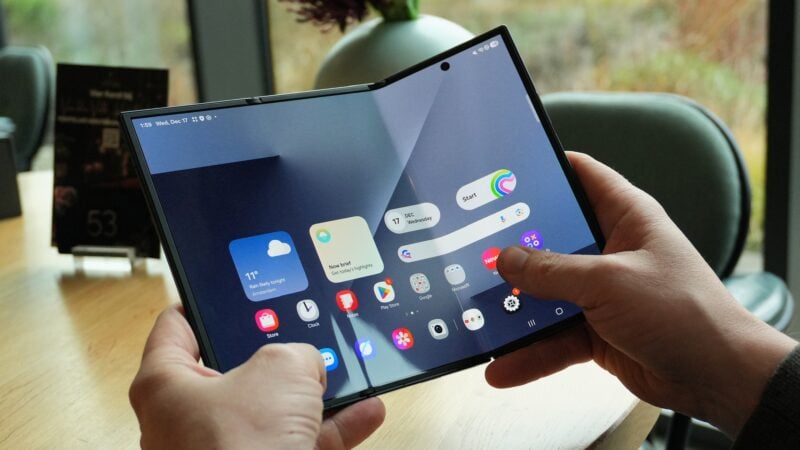
Samsung Galaxy Fold Internal Screen

Abhijeet Mishra / SamMobile

Galaxy Fold's internal foldable screen

Samsung Galaxy Z Fold 8 Ultra vs Fold 8

Abhijeet Mishra / SamMobile

Samsung Galaxy Z Fold 8 Ultra vs Fold 8

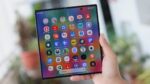
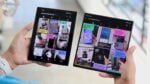
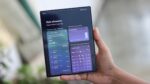
In 2019, the company defined the foldable category with the original Galaxy Fold. Today, Samsung offers foldables across multiple form factors, ensuring there is a device to match nearly any preference.

Key Galaxy milestones over the years

  • 2009: Galaxy GT-I7500, the first Galaxy phone.
  • 2010: Galaxy S, the first phone in the flagship Galaxy S line.
  • 2011: Galaxy S II, which achieved breakthrough success, surpassing 40 million in cumulative sales.
  • 2011: Galaxy Note, the world's first mainstream phablet and the first Galaxy device with the iconic S Pen stylus.
  • 2012: Galaxy S III, which surpassed 70 million cumulative units sold.
  • 2014: Galaxy Note Edge, the first Galaxy phone with a curved-edge display.
  • 2015: Galaxy S6 and Galaxy S6 Edge, the first Galaxy phones featuring a metal-and-glass design and Samsung Pay.
  • 2016: Galaxy S7 and Galaxy S7 Edge, the first Galaxy phones with an IP68 rating and Dual Pixel camera autofocus.
  • 2017: Galaxy S8 and Galaxy S8+, which introduced Infinity Displays and Samsung DeX.
  • 2018: One UI, Samsung's modern and thoughtfully designed software interface. That same year, Samsung launched the Galaxy S9 series, introducing 4K 60fps video recording to the Galaxy lineup.
  • 2019: Galaxy Fold, the world's first commercially available foldable-screen phone.
  • 2020: Galaxy S20 Ultra, the first Galaxy phone with a 108MP camera and 100x Space Zoom.
  • 2024: Galaxy S24 series, the first phones powered by Galaxy AI, and the first to offer seven years of major Android OS and security updates.
  • 2026: Galaxy S26 Ultra, the world's first phone with built-in Privacy Display.

Easier to switch and powerful privacy and security

Beyond hardware, Samsung has lowered the friction of joining its ecosystem. The Smart Switch app, paired with a simple QR code setup, makes moving data from an old device effortless. Cross-platform sharing with iPhone users has also improved significantly, thanks to RCS and Quick Share.

Despite so many features, the company hasn't sacrificed privacy and security. Galaxy phones are secured by Samsung Knox, which provides defense-grade hardware and software security to protect user data and privacy.