

Last updated: November 24th, 2026 at 08:00 UTC+01:00


Not all Galaxy S27 Pro and Ultra variants will have LPDDR6 RAM and UFS 5.0 storage

Only highest-end variants of the phones could use the latest RAM and storage chips.

Asif Iqbal Shaik

Reading time: 2 minutes

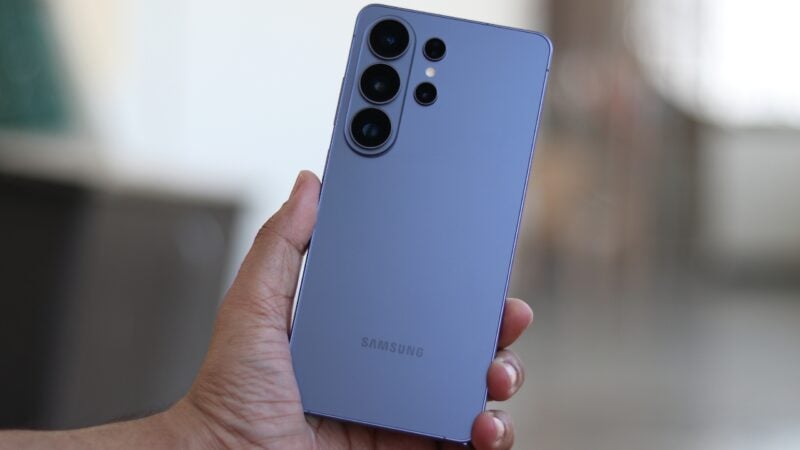
Galaxy S26 Ultra colors (Unpacked 2026)

SamMobile

Phone

Galaxy S26 Ultra colors (Unpacked 2026)

Samsung is usually among the first in the industry to adopt the latest RAM and storage technologies. However, the company has pulled back from that approach recently. Even with the upcoming Galaxy S27 series, Samsung will reportedly use LPDDR6 RAM and UFS 5.0 storage only in select variants of the Galaxy S27 Pro and the Galaxy S27 Ultra.

According to a new tip, only higher-end configurations of the Galaxy S27 Pro and the Galaxy S27 Ultra will feature LPDDR6 RAM and UFS 5.0 storage chips. Meanwhile, all variants of the Galaxy S27 and the Galaxy S27+ will reportedly stick with older-generation DRAM and NAND flash storage.

You can find the full breakdown of the rumored configurations below.

Galaxy S27

  • 12GB LPDDR5X RAM + 256GB UFS 4.1 storage
  • 12GB LPDDR5X RAM + 512GB UFS 4.1 storage

Galaxy S27+

  • 12GB LPDDR5X RAM + 256GB UFS 4.1 storage
  • 12GB LPDDR5X RAM + 512GB UFS 4.1 storage

Galaxy S27 Pro

  • 12GB LPDDR5X RAM + 256GB UFS 4.1 storage
  • 12GB LPDDR5X RAM + 512GB UFS 4.1 storage
  • 16GB LPDDR6 RAM + 1TB UFS 5.0 stroage

Galaxy S27 Ultra

  • 12GB LPDDR5X RAM + 256GB UFS 4.1 storage
  • 12GB LPDDR6 RAM + 512GB UFS 5.0 storage
  • 16GB LPDDR6 RAM + 1TB UFS 5.0 stroage

The South Korean firm's UFS 5.0 chips deliver sequential read speeds of up to 10.8GB/s and sequential write speeds of up to 9.5GB/s. Its LPDDR6 RAM offers up to 10.7Gbps data transfer speeds and is built on a 12nm process node.

Samsung may have made this decision due to the extremely high memory chip prices the industry is currently facing. By doing this, the company is likely stopping phone prices from rising further so that sales aren't affected.

Driven by the ongoing AI boom, the vast majority of memory chips are being sold to AI data centers. This surge in demand has limited supply for mobile phones and other consumer devices, resulting in widespread price hikes across smartphones and other consumer electronics.