

Last updated: October 20th, 2026 at 10:24 UTC+02:00


Samsung becomes India’s biggest phone brand after two years

The brand shipped 6.7 million Galaxy smartphones in the country in Q3 2026, beating Vivo to secure the lead.

Abid Iqbal Shaik

Reading time: 2 minutes

Samsung Galaxy Z Flip 8 Samsung Logo

Max Jambor

Phone

Samsung Galaxy Z Flip 8

Until Q1 2024, Samsung was India’s largest smartphone brand in terms of shipments. However, it lost the top spot to Xiaomi in the following quarter. Now, after more than two years, the South Korean tech giant has reclaimed the crown.

Omdia has released its analysis of the Indian smartphone market for Q3 2026. According to the research firm, Samsung shipped 6.7 million smartphones during the quarter, securing a 19% market share, the highest among all brands, and taking the top spot.

Omdia Report India Smartphone Shipments And Annual Growth 3Q26 Samsung Number One

Omdia

Omdia's report on Indian smartphone market in Q3 2026

Despite reclaiming the lead, Samsung registered a 1% year-on-year decline in shipments, from 6.8 million units in Q3 2025. However, its performance was still impressive, considering that other brands recorded annual declines of 20% to 34%. The Indian smartphone market is facing headwinds from rising memory and storage chip prices, which are pushing smartphone prices higher and making consumers more reluctant to upgrade their devices.

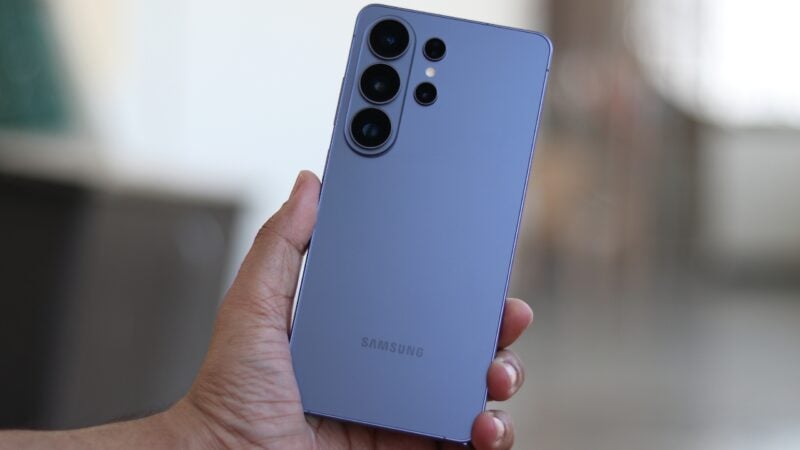
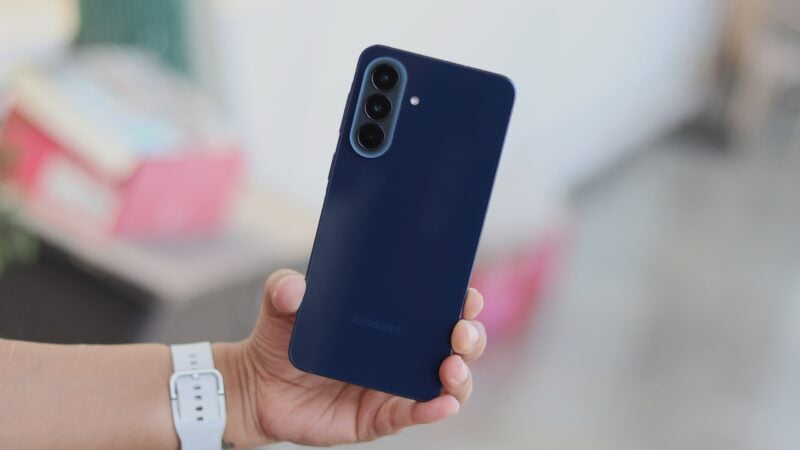
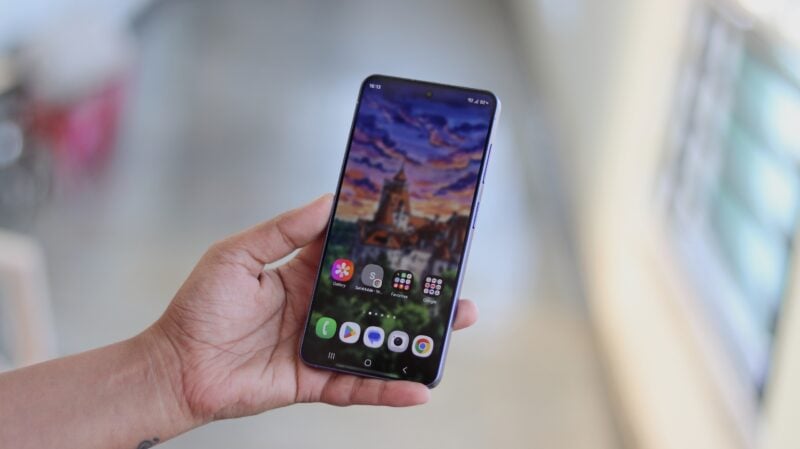
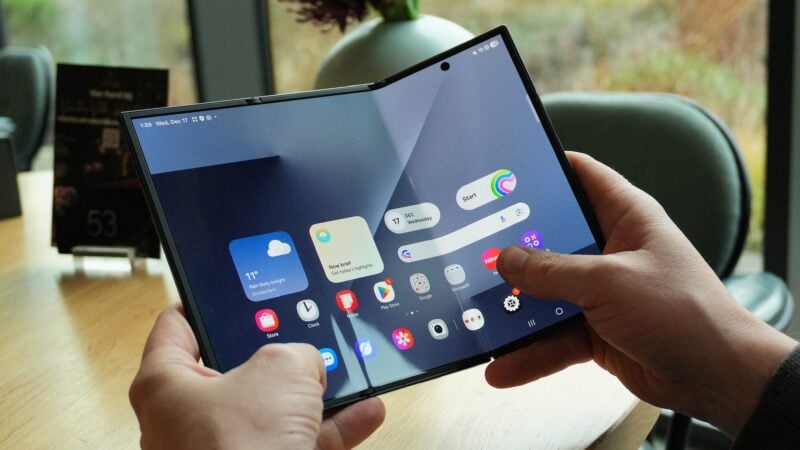
Omdia says Samsung’s sales were supported by the Galaxy A07, Galaxy A17, and Galaxy A27. Meanwhile, the Galaxy S26 series, Galaxy Z Fold 8 series, and Galaxy Z Flip 8 helped the company “broaden its higher-value portfolio.” The research firm adds that “bank cashback, exchange benefits and longer-tenure financing supported upgrades across price tiers.”

According to Omdia, Samsung also strengthened its position through its premium portfolio, strong consumer demand, established channel partnerships, and structured upgrade programs.

Vivo, Oppo, Xiaomi, and Apple occupied the second, third, fourth, and fifth positions, respectively, with market shares of 18%, 14%, 13%, and 11%.