







Latest opinions
-
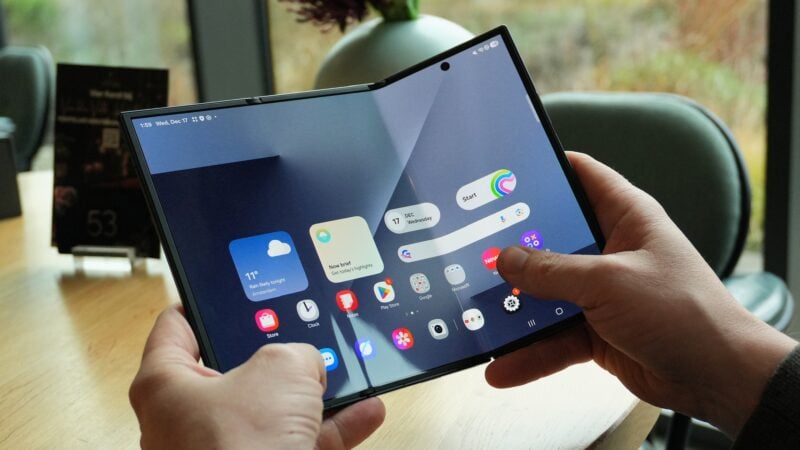
 One of my favorite Galaxy Z Fold 8 features reminds me of old folding clocks
 -
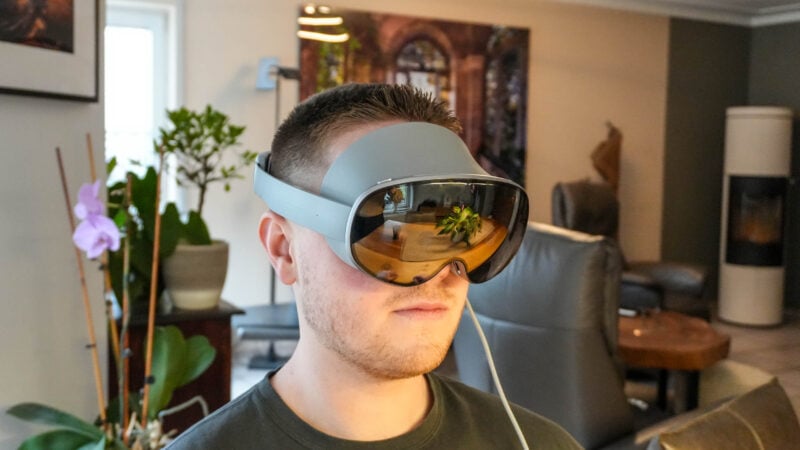
 Samsung's smartglasses promise privacy but won't escape this legal minefield
 -
 Maybe Samsung isn't the problem, maybe bar phone design has simply peaked
 -
 Hot take, but I wish my Galaxy Z Fold 8 had one fewer selfie camera
 -
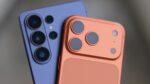 Samsung wants iPhone users to feel at home on Galaxy
 -
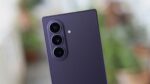 Dear Samsung, it's time to reclaim your iconic camera island
 -
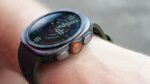 How I automate my Galaxy Watch AOD when I leave the house
 -
 Every way the Galaxy Z Fold 8 feels first-gen
 -
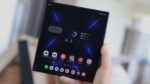 I bought the Galaxy Z Fold 8 Ultra because Samsung fixed the one thing I needed it to



