Last updated: July 29th, 2026 at 08:38 UTC+02:00
SamMobile has affiliate and sponsored partnerships, we may earn a commission.
When is this Android 18-based update coming, and is your Galaxy phone or tablet eligible to get this update?
Reading time: 5 minutes

Abhijeet Mishra / SamMobile
One UI 10 is expected to be the tenth major version of Samsung's Android-based One UI software interface. One UI 1.0 was first released in late 2018, and One UI and has received regular design updates, usability improvements, and new features over the years. With One UI 10, Samsung could introduce a major design upgrade to mark this milestone.
So, what design changes and features could One UI 10 bring?
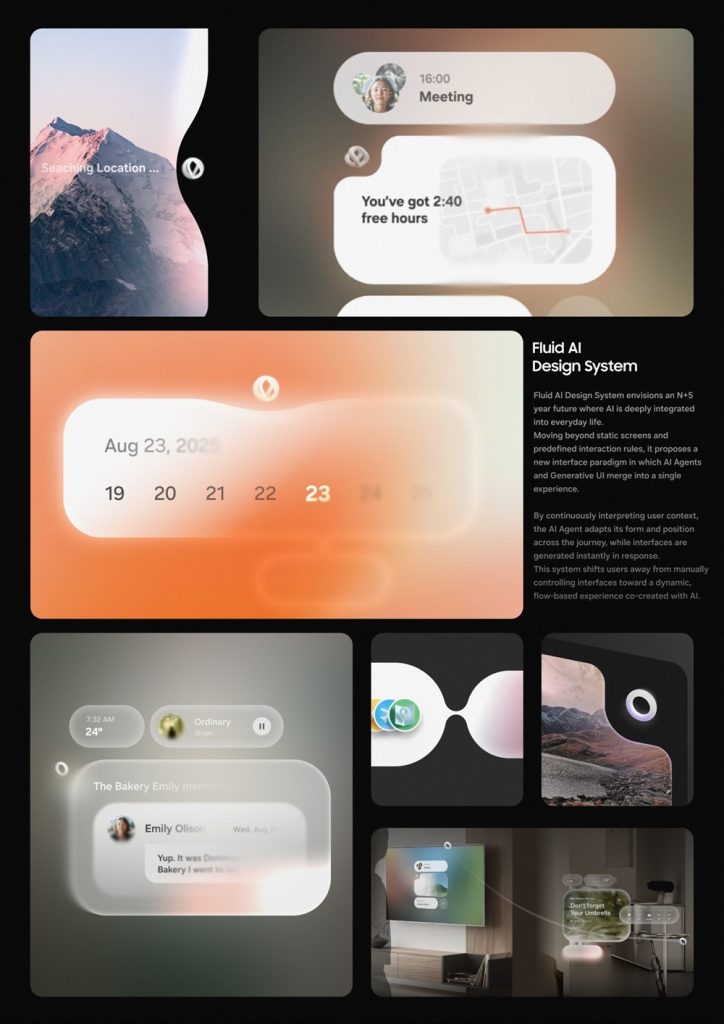
Samsung has officially not revealed anything about One UI 10's design language. However, it could adopt a more fluid glass-like futuristic interface. The company recently presented a concept called the Fluid AI Design System, which received a Red Dot Design Award in 2026. The concept combines AI agents and generative user interfaces to create more personalized software experiences.
Samsung
Samsung's Fluid AI Design System concept won the Red Dot Design Award 2026 – Source: Samsung
Samsung says the Fluid AI Design System was created for a future in which AI is deeply integrated into everyday life. Rather than relying on static screens and predefined interaction rules, it proposes an interface that can interpret a user's context and instantly adapt its layout, appearance, and position. The goal is to create a more dynamic, fluid experience.
Samsung's concept images show apps and widgets with a glass-like appearance. They also include a circular, orb-like floating icon that appears to represent an AI agent. This agent could handle tasks for the user, from searching for a location in Maps to finding calendar entries. The concept suggests that the agent could work across multiple screens, apps, services, and devices, including TVs, smartphones, and wearables.
When the AI agent orb moves near an app or an interface element, it creates a magnetic pull effect. In some cases, the orb appears to push against the boundary of a nearby element, causing it to indent or curve. It also creates an illumination effect when interacting with other on-screen elements. When the agent pulls relevant data from apps and services, directional lines appear to show how the information is being collected and processed.
This concept is centered on AI agents. As Android moves toward more AI-driven experiences, Samsung could use One UI 10 to introduce elements of the Fluid AI Design System. However, Samsung has not confirmed that the concept will be part of One UI 10.
One UI 10 could introduce more customization options, redesigned apps, additional widgets, and more Galaxy AI and Gemini-powered features. It could also bring expanded agentic AI capabilities, allowing AI agents to complete more tasks in the background. Improvements to Samsung DeX and Secure Folder could also be expected, and more apps could get large-screen and foldable screen-friendly interfaces.
If AI agents gain access to apps and personal data, privacy and security will need to remain a priority. One UI 9.0 already has a dedicated section for displaying AI Assistant Activity. One UI 10 could offer more detailed AI agent activity timelines, allowing users to see what agents are doing in the background on their phones or tablets.
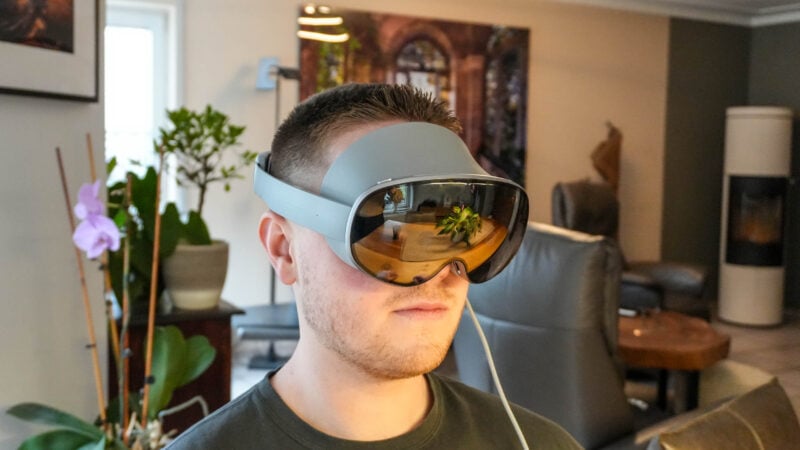
Samsung's ecosystem is also expanding with devices such as the Galaxy XR mixed-reality headset, Intelligent Eyewear smart glasses, and Galaxy Ring. One UI 10 could improve integration across these devices, with Galaxy phones serving as the center of Samsung's connected ecosystem.
Based on Google and Samsung's software update cycles over the past few years, Samsung could release the stable version of One UI 10 in July or August 2027.
Google could begin rolling out Android 18 developer previews in the first half of 2027, followed by Samsung's One UI 10 Beta Program around May 2027. After four to six beta releases, Samsung could debut the stable version of One UI 10 with the Galaxy Z Flip 9 and Galaxy Z Fold 9 series in July 2027. The stable update could then begin rolling out to older devices in August 2027.
Galaxy S series
Galaxy Z series
Galaxy A series
Galaxy F and M series
Galaxy Tab Series

First Samsung device: T100
Asif is a computer engineer turned technology journalist. He has been using Samsung phones since 2004, and his current smartphone is the Galaxy S23 Ultra. He loves headphones, mechanical keyboards, and PC hardware. When not writing about technology, he likes watching crime and science fiction movies and TV shows.