


Last updated: November 5th, 2026 at 10:29 UTC+01:00


Samsung's smartphone revenue rises 14% as it tops global shipments

OPPO and Vivo have been forced to retreat from some countries.

Asif Iqbal Shaik

Reading time: 2 minutes

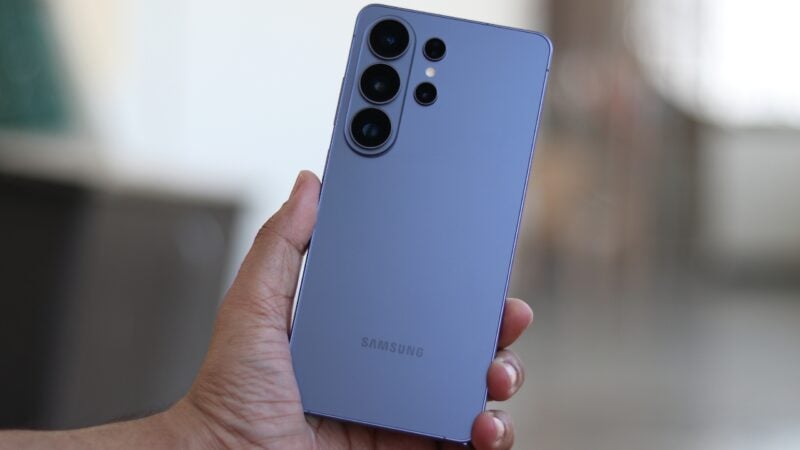
All Samsung Galaxy Z Fold 8 Color Variants From Rear

Max Jambor / SamMobile

Business

Samsung Galaxy Z Fold 8 colors

Amid tough market conditions, Samsung has maintained its position as the world's biggest smartphone brand in terms of shipments. The South Korean firm shipped 22% of all smartphones globally during the third quarter of this year (Q3 2026).

Samsung was the world's biggest smartphone brand in Q3 2026

According to figures from market research firm Counterpoint Research, Samsung led global smartphone shipments in Q3 2026, staying ahead of Apple and other Android rivals despite an overall market volume contraction of 19% globally that was triggered by price hikes as a result of higher manufacturing costs.

Even though fewer smartphones were shipped worldwide, Samsung managed to increase its average selling price (ASP) by 21% year-over-year. The company's ASP rose from $304 in Q3 2025 to $367 in Q3 2026, helping drive a 14% increase in revenue and capturing a 19% share of global smartphone revenue.

Samsung raised prices across its portfolio, while sales of the volume-driving Galaxy A series, the Galaxy S26 Ultra, and the Galaxy Z Fold 8 remained solid. Furthermore, Samsung's integrated supply chain helped cushion the blow from surging memory costs.

In comparison, top rival Android brands struggled. While Xiaomi managed flat revenue (0%) by shifting toward higher-priced devices, OPPO and vivo saw revenue plunge 26% and 22% year-over-year, respectively.

Samsung Smartphone Revenue Shipment Market Share ASP Q3 2026 Counterpoint Research

Counterpoint Research

Smartphone revenue share, volume share, and ASP of top global brands in Q3 2026

Chinese smartphone brands are struggling

To protect operating margins against rising component costs, some Chinese brands were forced to scale back operations in non-core markets, including parts of Europe and Latin America.

Meanwhile, Apple continued to dominate value capture. Apple's revenue grew 17% year-over-year, capturing an unprecedented 50% of total global smartphone revenue. Its ASP reached $1,031, which is higher than the combined ASP of all other major brands, demonstrating Apple's brand power and substantial hardware margins.

Looking ahead, global phone shipments are expected to drop further in the fourth quarter as higher manufacturing costs and memory shortages continue to push retail prices higher. Analysts expect memory cost pressures to persist throughout 2027, leading to additional price hikes.

Component cost prices will not come down until 2028, and even then, smartphone makers will likely use those savings to offer hardware upgrades rather than lowering prices of their phones.