Last updated: June 30th, 2026 at 21:56 UTC+02:00
SamMobile has affiliate and sponsored partnerships, we may earn a commission.
The perks of being a pure hardware company.
Reading time: 4 minutes

Google, Samsung, Warby Parker
Some interesting details have surfaced about Samsung's smart glasses today. The leaked Glasses Manager app has revealed that the company is going to enable gesture control for the smart glasses through its Galaxy Ring.
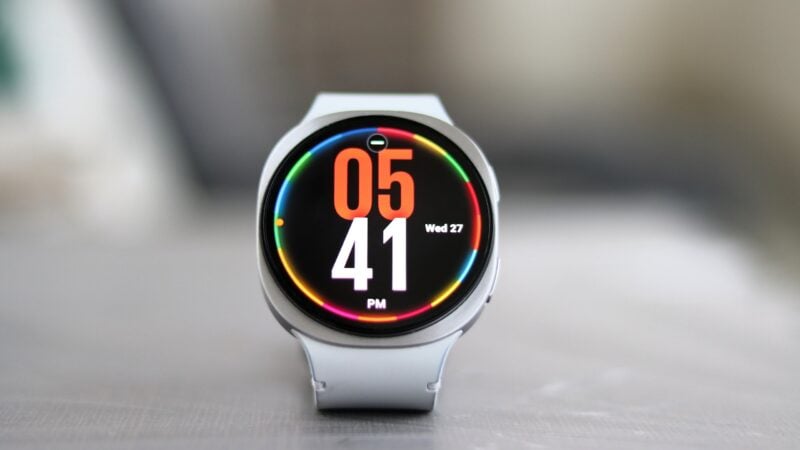
It's also going to pre-install a dedicated Glasses Controller app on Galaxy Watch models so that those who have its smartwatch can easily control the smart glasses without having to pull out their phone.
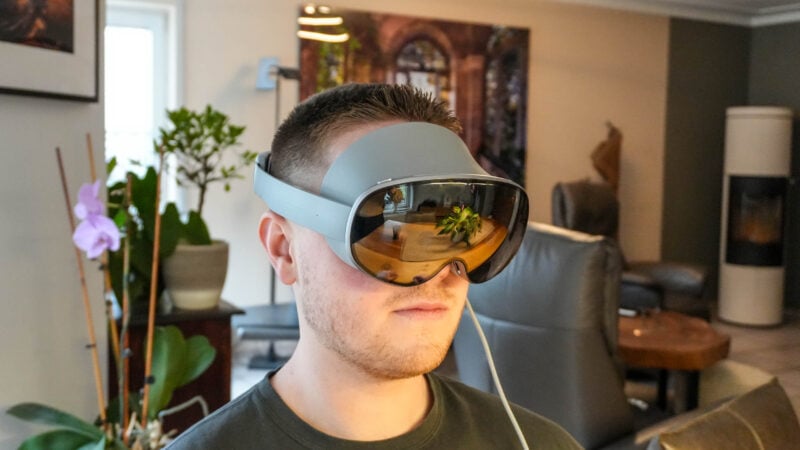
This is a clear indication that Samsung is deploying one crucial advantage that it has over Meta, its top rival in the smart glasses space. Meta has been in the smart glasses space for a few years now. It has launched a few iterations with popular eyewear brands like Ray-Ban and Oakley. The company has also launched cheaper versions earlier this month ahead of the arrival of Samsung's contenders.
On paper, the synergy between Samsung's glasses and its wearables sounds like a neat feature. In practice, it could become Samsung's biggest competitive advantage. User interaction is the least glamorous challenge facing smart glasses.
Yes, there are tap controls but they aren't exactly convenient when you have your hands full. Voice commands are very useful but only when it's appropriate for you to use them, not when you're sitting in a quiet meeting or riding a crowded train.
Meta currently enjoys a dominant position in the smart eyewear market. It has done what was once thought impossible, convincing consumers to adopt AI-powered eyewear and making this product category practical and fashionable. With millions of units sold, Meta has established itself as the one everyone now has to chase.
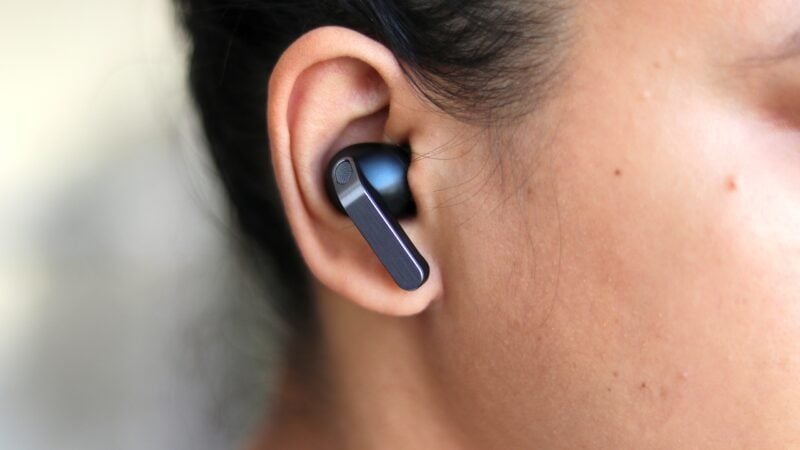
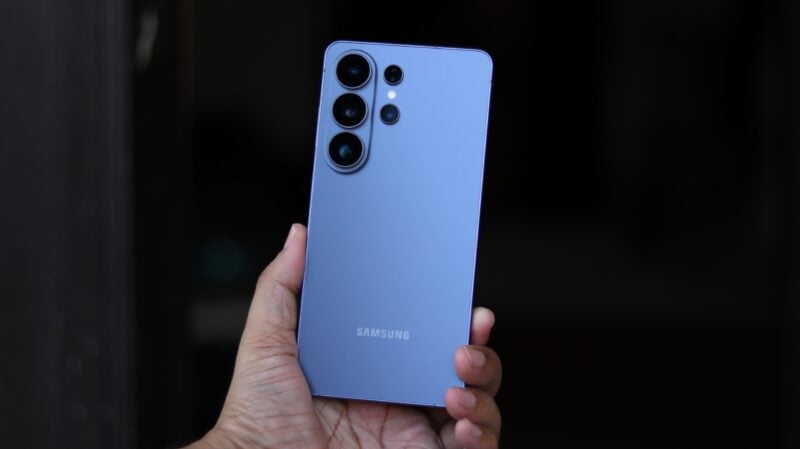
Samsung may be late to the party, but it has something that Meta doesn't, an entire portfolio of other wearable devices. It's deploying this advantage from day one, making sure that people who are already using those devices can get more use out of them, and a method of interacting with their smart glasses that's just not possible on a Meta pair right now.
Imagine taking a photo with an unnoticeable gesture of your finger, dismissing an incoming call without having to tap on the frame, or activating the Gemini AI assistant without calling attention to yourself. If your concern with adopting smart glasses was that it would require more mental energy for interaction beyond what you're spending on devices that you're already using, Samsung has a clear and simple solution.
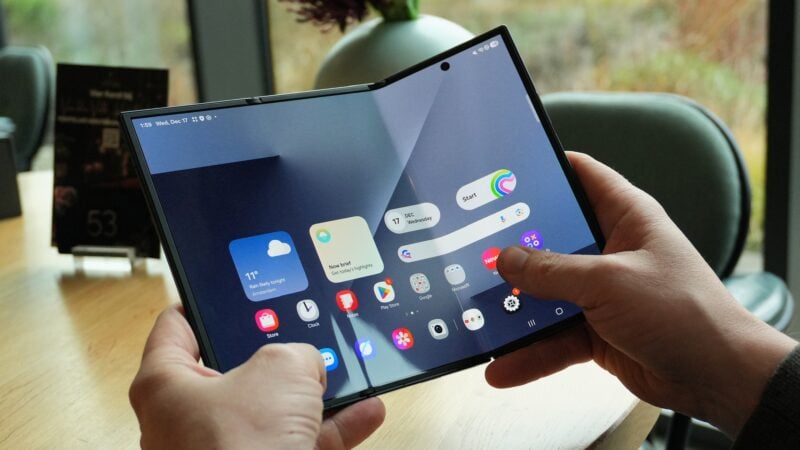
This is also indicative of how Samsung's smart glasses may evolve to offer more powerful functionality in tandem with these other foldable devices. There are already reports that future iterations of Samsung's smart glasses will have a display of some sort.
Imagine the glasses providing turn by turn direction while your Galaxy Watch quietly vibrates before each turn to keep you on the right path. Or following workout instructions while the Ring beams real-time heart rate data to Samsung Health, allowing you to vary the pace of the workout accordingly.
It will also end up making the AI features that Samsung is actively pushing now much better. AI becomes more useful when it understands context.
Your phone contains valuable context about your day, your smartwatch has your activity levels, your smart ring knows how well you slept the previous night, and your smart glasses know what you're looking at. AI can weave these individual data points together to deliver far richer experiences than any single device can manage alone.
None of this guarantees success. Samsung still has a long way to go before it displaces the incumbent leader in Meta. While Meta may not have hardware muscle, it can leverage the vast social media platforms of Instagram and Facebook to deliver value through smart glasses that Samsung can't replicate.
So while Meta will launch new smart glasses that it can only market as standalone products because it doesn't have an entirely different but compatible line of wearable devices, Samsung will offer the entire package.
A Galaxy user will experience seamless functionality across their smartphone, tablet, smart watch, smart ring, and smart glasses because Samsung makes them all. Meta can't possibly compete in the same way.

Adnan Farooqui is a long-term writer at SamMobile. Based in Pakistan, his interests include technology, finance, Swiss watches and Formula 1. His tendency to write long posts betrays his inclination to being a man of few words.