


Last updated: November 2nd, 2026 at 19:17 UTC+01:00


Galaxy S27 Pro is how Samsung raises prices while giving an illusion of choice

How many Galaxy S flagships is too many?

Adnan Farooqui

Reading time: 4 minutes

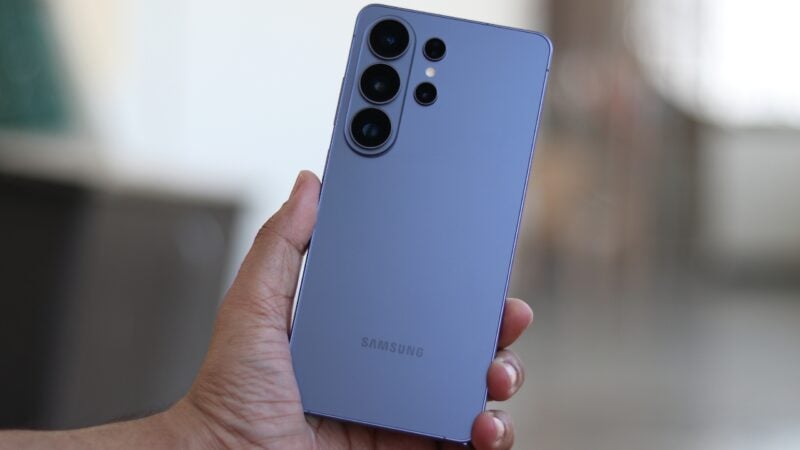
Samsung Galaxy S26 Ultra Back Panel And Rear Cameras

Abhijeet Mishra / SamMobile

Opinion

Galaxy S26 Ultra in Violet

Samsung is due to unveil the Galaxy S27 series in a few months. Countless reports have suggested that the company will launch four different models next year, namely the Galaxy S27, Galaxy S27+, Galaxy S27 Pro, and the Galaxy S27 Ultra.

The Galaxy S27 Pro will be the new addition, and it's not a new Edge variant. Samsung has seemingly all but given up on making another super slim variant of its flagship phone. Think of it as a less Ultra version of the Galaxy S27 Ultra instead.

Why does Samsung feel the need to add another model, that too during one of the most uncertain periods in the market where expensive memory chips are forcing it to both raise prices and cut production?

Pushing a price increase through the back door

One reason might be that it allows Samsung to increase the Galaxy S27 series prices without increasing the “starting at” figure for the new flagship lineup.

The base Galaxy S27 could cost the same as the Galaxy S26. The Galaxy S27 Pro could cost what the Galaxy S26 Ultra does today, and the Galaxy S27 Ultra might become more expensive.

The jury's still out, though, on whether there will be a price hike for the base Galaxy S27 model. Price hikes have become inevitable due to the current market dynamics. Samsung could decide to strike a balance, keeping the base model at the same price in some key markets like the United States while raising it elsewhere.

The starting price is what matters. That's what most of the media coverage focuses on, and it's also what gets plastered on marketing materials.

Samsung will essentially bury the price hike in the illusion of choice. It's entirely up to the consumer, as long as they don't focus too much on what they're getting for the base price.

Some reports suggest that the Galaxy S27 Pro could be priced at $1,399. That's the same as the Galaxy S26 Ultra, but this model won't have an S Pen. Those who want Samsung's top-of-the-line flagship next year may have to shell out $1,499 for the Galaxy S27 Ultra.

It'll be a tightrope walk between the Pro and Ultra

Samsung will put just enough difference between the two models so as to not cannibalize the Ultra's sales. Reports suggest that the Galaxy S27 Pro will share its main and ultra-wide cameras with the Ultra but not get its telephoto lens. It will have the Privacy Display feature but won't support the S Pen.

The chipset difference might also keep Ultra loyalists in check. Except for the Ultra, which may exclusively use the Qualcomm Snapdragon 8 Elite Extreme Gen 6 in all regions, the other three models will rely on the Exynos 2700 in most markets.

This will also be the first Galaxy S variant that Samsung has developed during this period of elevated memory prices. The Galaxy S27 Pro enables Samsung to price and spec a Galaxy S model around the current market conditions, with no previous models that customers can compare it with.

The conversation will not be that last year's Pro was $100 cheaper. It will revolve around the benefits that a fourth model brings to the lineup (including some features taken from the other models).

The company is feeling the pinch. Its phone business is on track for an annual loss. It's already cutting production and will ship fewer devices next year, because the margins just aren't there any more. Higher value products will help Samsung's mobile division ride out the memory chip pricing storm.

This could also turn out to be a smart move from Samsung. It will capture customers who don't want to go all out for the Ultra but also don't feel that the Galaxy S27+ provides them with everything they need.

Rather than hoping that all customers stick with its most expensive model, Samsung will provide them with an option that feels like the best-value phone in the range, even if it costs the same as last year's Ultra.